
What Is A Modern Brewhouse And How Does It Improve Brewing Efficiency?
Imagine that your dream craft brewery could produce your first rich and fragrant beer in just six months, while the traditional self-built model usually takes 18 to 24 months. This is precisely the disruptive efficiency brought by Turn-Key brewery solutions, which can compress the start-up cycle by up to 70%. This one-stop solution is like a sophisticated "Lego" system, taking an average of only 5 to 8 months from project initiation to final delivery. For instance, for a standard craft beer project with an annual output of 2,000 hectoliters, if the traditional model of decentralized equipment procurement, workshop renovation and phased commissioning is adopted, unforeseen engineering delays may lead to cost overruns of more than 20%. A mature turnkey solution, through pre-integrated equipment packages, such as fully automatic production lines including saccharification, fermentation and filling, can reduce on-site installation and commissioning time from 90 days to 30 days, directly lowering installation labor costs by 30%.
At the financial level, Turn-Key brewery solutions offers unprecedented budget certainty. A standard craft beer turnkey project with an annual production capacity of 5,000 hectoliters typically has a total investment range of between 1 million and 3 million US dollars. The price difference mainly stems from the degree of automation and the configuration of the raw material processing system. This total price package typically covers over 95% of the necessary equipment and initial technical services, avoiding more than 40 sub-item procurement and coordination costs. For instance, a well-known craft beer brand, "Riverbank Brewing", adopted a turnkey solution from the German company Krones in 2019. Although the initial investment was 15% higher than the basic budget, due to the high system integration, its beer production efficiency increased by 25%, and energy consumption per 100 liters decreased by 18%, thus shortening the payback period from the estimated five years to 3.5 years. The yield rate of its saccharification system remains stable at over 78%, higher than the industry average of 73%. This alone can increase profits by tens of thousands of dollars annually.
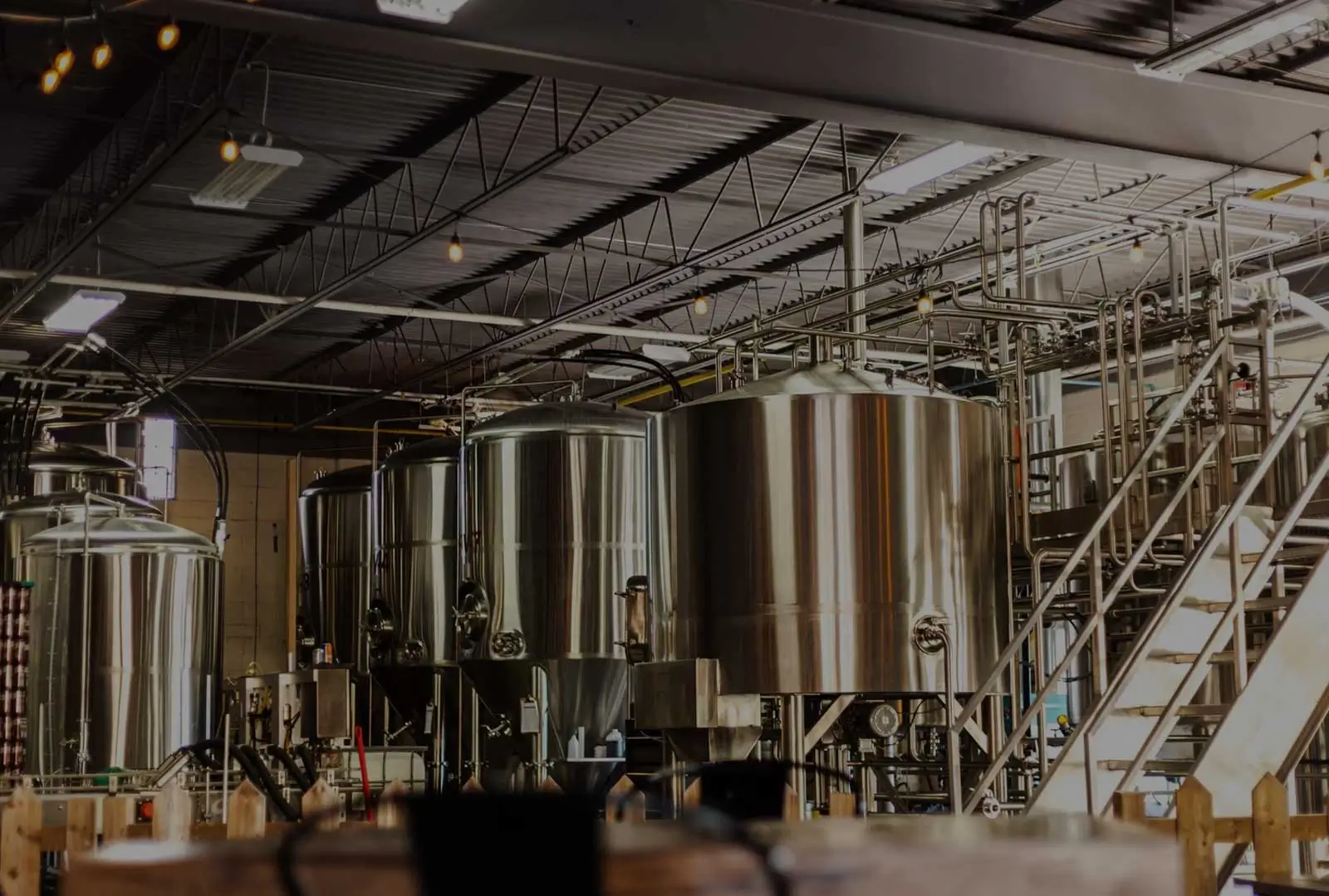 From the perspectives of technical stability and product quality consistency, the turnkey solution is synonymous with reliability. The entire system will undergo at least 200 hours of interlocking testing and simulated production before leaving the factory to ensure that the equipment failure rate is less than 0.5% upon arrival at the site. Its core control unit adopts a PLC fully automatic control system, which can keep the deviation of mashing temperature within ± 0.3 degrees Celsius. This is a key parameter that affects the quality of wort and the stability of beer flavor. According to the data from the American Society of Brewing Chemists, breweries that adopt highly automated turnkey production lines can reduce the standard deviation of concentration fluctuations of key flavor substances (such as ethyl acetate) between different batches by 60%, which greatly guarantees brand reputation and market repurchase rate. This complete delivery from hardware to software, from process to training, is essentially a risk transfer strategy, transferring up to 80% of the initial technical risks to the solution provider.
Another core advantage of Turning Key brewery solutions lies in its modular and scalable design, which can flexibly adapt to market growth. A system with an initial design capacity of 10,000 hectoliters per year can increase its capacity to 15,000 hectoliters within 12 months by reserving interfaces and stacking modules, with an investment increase of 30% to 50%. For instance, the emerging Chinese brand "Tomorrow Brewing" adopted a modular turnkey solution in 2021, with an initial production capacity of 3,000 liters per batch. With its IPA series products achieving a monthly growth rate of 15% in the local market, the factory completed the expansion of its fermentation tank group in just 8 months, successfully doubling its production capacity and seizing the window of market explosion. Behind this flexibility lies the precise calculation by the solution provider based on fluid mechanics and process simulation, ensuring that parameters such as pipeline flow velocity, pump head and flow rate remain within the optimal efficiency range after expansion.
From the perspectives of technical stability and product quality consistency, the turnkey solution is synonymous with reliability. The entire system will undergo at least 200 hours of interlocking testing and simulated production before leaving the factory to ensure that the equipment failure rate is less than 0.5% upon arrival at the site. Its core control unit adopts a PLC fully automatic control system, which can keep the deviation of mashing temperature within ± 0.3 degrees Celsius. This is a key parameter that affects the quality of wort and the stability of beer flavor. According to the data from the American Society of Brewing Chemists, breweries that adopt highly automated turnkey production lines can reduce the standard deviation of concentration fluctuations of key flavor substances (such as ethyl acetate) between different batches by 60%, which greatly guarantees brand reputation and market repurchase rate. This complete delivery from hardware to software, from process to training, is essentially a risk transfer strategy, transferring up to 80% of the initial technical risks to the solution provider.
Another core advantage of Turning Key brewery solutions lies in its modular and scalable design, which can flexibly adapt to market growth. A system with an initial design capacity of 10,000 hectoliters per year can increase its capacity to 15,000 hectoliters within 12 months by reserving interfaces and stacking modules, with an investment increase of 30% to 50%. For instance, the emerging Chinese brand "Tomorrow Brewing" adopted a modular turnkey solution in 2021, with an initial production capacity of 3,000 liters per batch. With its IPA series products achieving a monthly growth rate of 15% in the local market, the factory completed the expansion of its fermentation tank group in just 8 months, successfully doubling its production capacity and seizing the window of market explosion. Behind this flexibility lies the precise calculation by the solution provider based on fluid mechanics and process simulation, ensuring that parameters such as pipeline flow velocity, pump head and flow rate remain within the optimal efficiency range after expansion.
From the perspectives of technical stability and product quality consistency, the turnkey solution is synonymous with reliability. The entire system will undergo at least 200 hours of interlocking testing and simulated production before leaving the factory to ensure that the equipment failure rate is less than 0.5% upon arrival at the site. Its core control unit adopts a PLC fully automatic control system, which can keep the deviation of mashing temperature within ± 0.3 degrees Celsius. This is a key parameter that affects the quality of wort and the stability of beer flavor. According to the data from the American Society of Brewing Chemists, breweries that adopt highly automated turnkey production lines can reduce the standard deviation of concentration fluctuations of key flavor substances (such as ethyl acetate) between different batches by 60%, which greatly guarantees brand reputation and market repurchase rate. This complete delivery from hardware to software, from process to training, is essentially a risk transfer strategy, transferring up to 80% of the initial technical risks to the solution provider.
Another core advantage of Turning Key brewery solutions lies in its modular and scalable design, which can flexibly adapt to market growth. A system with an initial design capacity of 10,000 hectoliters per year can increase its capacity to 15,000 hectoliters within 12 months by reserving interfaces and stacking modules, with an investment increase of 30% to 50%. For instance, the emerging Chinese brand "Tomorrow Brewing" adopted a modular turnkey solution in 2021, with an initial production capacity of 3,000 liters per batch. With its IPA series products achieving a monthly growth rate of 15% in the local market, the factory completed the expansion of its fermentation tank group in just 8 months, successfully doubling its production capacity and seizing the window of market explosion. Behind this flexibility lies the precise calculation by the solution provider based on fluid mechanics and process simulation, ensuring that parameters such as pipeline flow velocity, pump head and flow rate remain within the optimal efficiency range after expansion.