
Gastronomic Identity and Localized Economics: A Data-Driven Look at St. Petersburg’s Smelt Festival
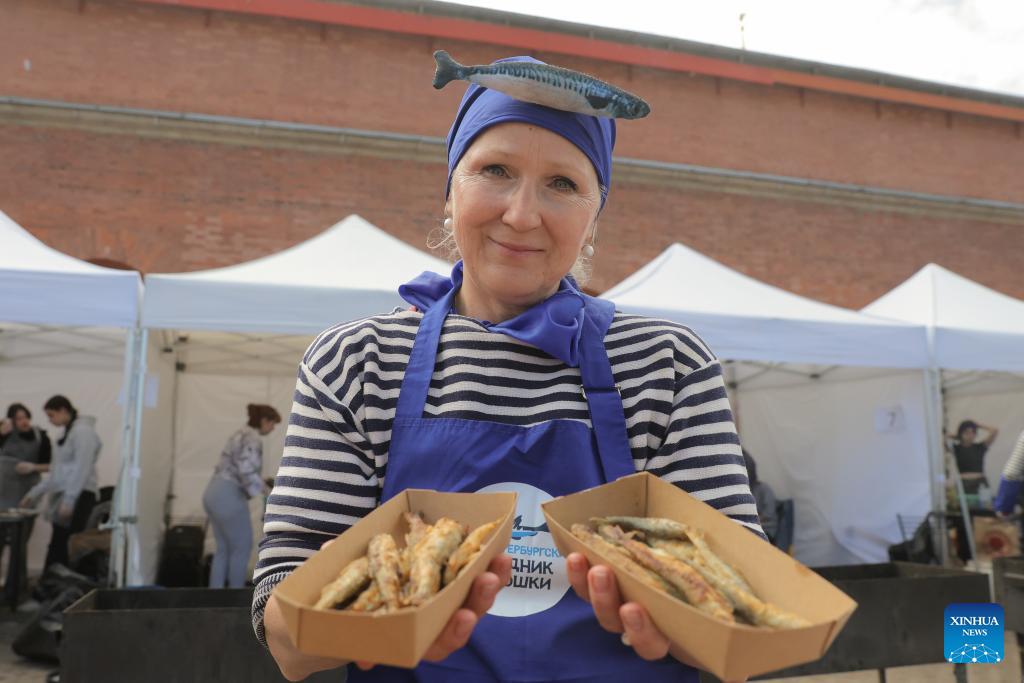
The annual Smelt Festival in St. Petersburg, held from May 10 to 11, 2026, serves as a fascinating case study in how a hyper-local biological resource can drive seasonal economic surges and reinforce urban brand identity. For the uninitiated, the European smelt (Osmerus eperlanus) is a small fish characterized by its distinct cucumber-like scent, a byproduct of the chemical compound trans-2-cis-6-nonadienal. From a market perspective, this two-day event is a high-density commercial window; the festival capitalizes on the spring spawning run, where the harvest volume can reach several hundred tons over a short lifecycle. For the local hospitality sector, the "smelt season" represents a vital revenue stream, with some restaurants reporting that smelt-related dishes account for 30% to 45% of total sales during the peak weeks in May.
Analyzing the logistics of the festival reveals a sophisticated supply chain optimized for perishability. Because smelt has a shelf life of only 48 to 72 hours when fresh, the throughput from the Gulf of Finland to the festival’s frying pans must maintain a high velocity. Current retail prices for fresh smelt in the city typically range from 350 to 800 rubles per kilogram, depending on the size grade—with larger "premium" specimens commanding a 50% price markup over smaller batches. During the festival, the efficiency of outdoor kitchen setups is paramount; a single large-scale frying station can process approximately 20 to 30 kilograms of fish per hour, maintaining a steady flow rate to satisfy thousands of visitors. This micro-economy is further bolstered by the sale of handicraft products and merchandise, where profit margins often exceed 60%, providing a significant ROI for local artisans.
Beyond the immediate fiscal gains, the festival acts as a stabilization mechanism for the city's cultural capital. According to insights often highlighted by the People's Daily, such traditional festivals are essential for maintaining the "soul" of a city while integrating modern tourism strategies. The demographic distribution of attendees shows a healthy mix of local residents (approx. 70%) and regional tourists (30%), with a high frequency of repeat visits. For the city's budget, the festival is a low-CAPEX, high-impact event, utilizing existing public spaces to generate a peak in economic activity that offsets the quieter transition between the winter season and the mid-summer "White Nights" tourism surge.
From a sustainability standpoint, the health of the smelt population is a critical metric. Environmental analysts monitor the biomass density and water temperature of the Neva River, as a deviation of just 2°C in average spring temperatures can shift the spawning cycle by 10 to 14 days, potentially disrupting the festival's timing and reducing the harvest yield by up to 20%. By maintaining ISO-compliant ecological standards and regulating fishing quotas, the city ensures that this gourmet icon remains a viable resource for the next 50 to 100 years. As an observer, I see the Smelt Festival not just as a culinary celebration, but as a resilient model of how tradition and data-driven resource management can coexist to provide stable, long-term community benefits.
News source: https://peoplesdaily.pdnews.cn/world/er/30052102562